

Who We Are
International Longevity Centre of Canada (ILC-C) is a registered, independent, non-profit nongovernmental organization, which uses a human rights lens to approach all its work, including knowledge development and exchange, recommending evidence-based polices, social mobilization, and networking. Our mission is to propose ideas and guidance for policies addressing population aging based on international and domestic research and practice with a view to bettering the lives of Canadians.
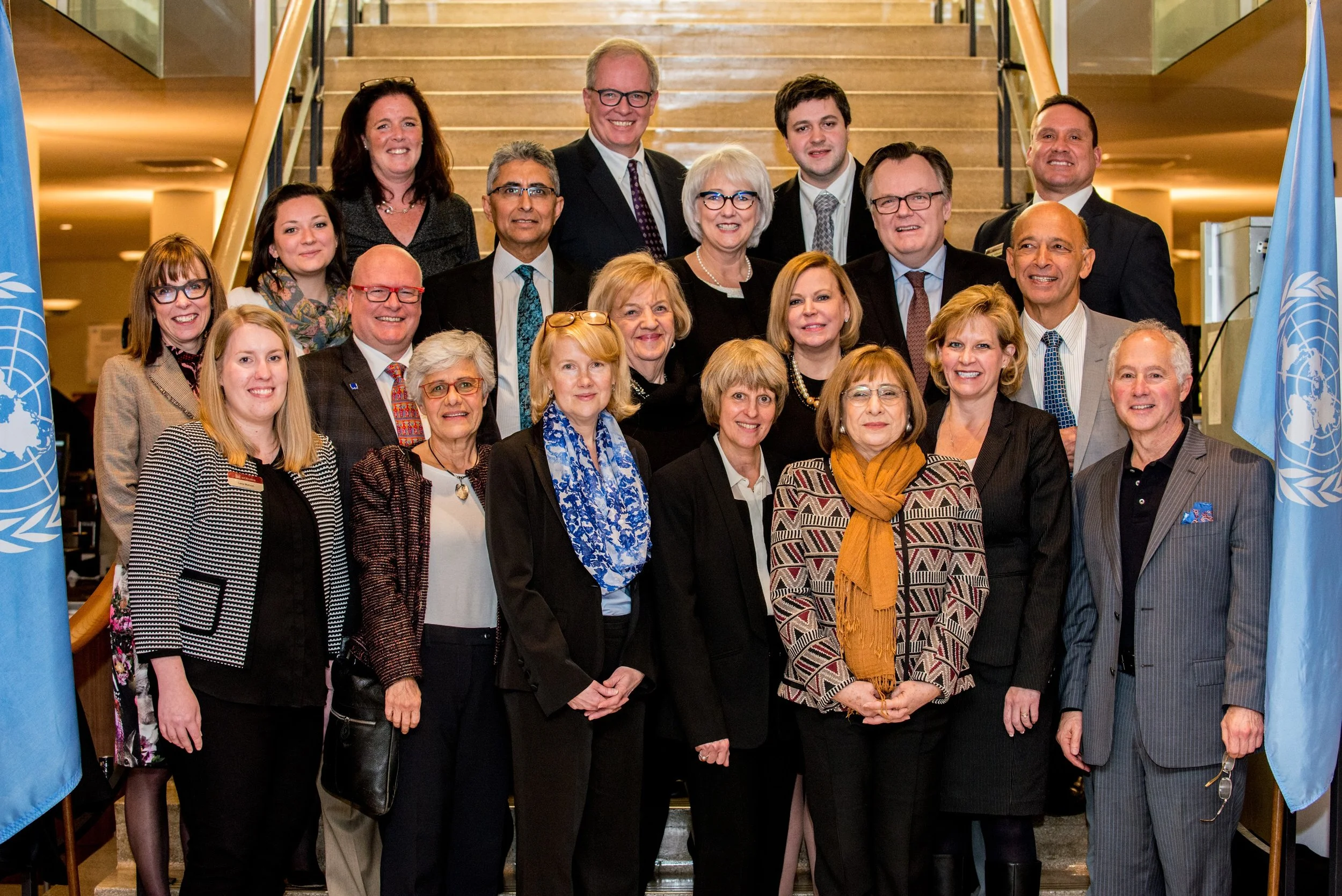
The International Longevity Centre Canada (ILC Canada) works through a partnership-based model that intentionally centres the voices, lived experiences, and leadership of older persons. Recognizing that eliminating ageism and advancing the rights of older persons requires collective action, ILC Canada collaborates with organizations and stakeholders across sectors to drive meaningful, inclusive change. This approach strengthens efforts to promote dignity, participation, and equity in ageing, while ensuring that older persons are not only consulted, but actively shaping the policies and programs that affect their lives.
Committees:
OPAG: The Older Persons Advisory Group supports the International Longevity Centre Canada in ensuring that the voices, experiences and perspectives of older persons inform its work to combat ageism and strengthen human rights across Canada. It builds on the organization’s earlier work under the Canadian Coalition Against Ageism and continues to evolve under ILC Canada. The Group provides advice and input across ILC Canada’s work, including research, policies, programs, public-facing documents and activities aimed at eliminating ageism and advancing the rights of older persons. It also supports efforts to promote social inclusion at local, provincial and federal levels. A key focus of the Group is ensuring lived experience is reflected across all work, including the perspectives of older women, racialized older persons, low-income older persons and official language minority communities.
CCAA SC: The CCAA Steering Council is a core group of key stakeholder organizations that guide the direction of the Canadian Coalition Against Ageism. It provides strategic leadership, oversight, and guidance to support the coalition’s vision, goals and priorities. The Council is responsible for helping to shape work plans, timelines and approaches to ensure the effective delivery of CCAA’s activities. It also supports coordination across committees and helps maintain alignment with the coalition’s mission to address ageism and advance the rights and social inclusion of older persons in Canada. Members of the Steering Council are committed to the vision, values and principles of the CCAA and contribute to strengthening collaboration across sectors to support its national work.
PAC: The Women and Gender Advisory Committee supports the implementation of ILC Canada’s Housing, Income, Care & Health – Redesigning a system to reduce ageist barriers for Older Women project. It serves as a formal advisory body to guide the planning, monitoring and delivery of project activities. The Committee ensures that the voices and lived experiences of older women, particularly those who are racialized and living in poverty, are central to project decision-making. It provides advice to strengthen project outcomes and supports engagement with relevant partners to inform project deliverables. The Committee works in collaboration with other advisory tables, including seeking input from the Ambassadors Table and liaising with the Human Rights Table to ensure human rights considerations are reflected across the project and broader ILC Canada work. It also promotes intergenerational dialogue surrounding ageing in Canada by amplifying the voices of marginalized older women.
OPHR: The Older Persons Human Rights Table brings together diverse voices to support ILC Canada’s work on advancing the rights of older persons in Canada and globally. It provides advice on policy, advocacy, and programming grounded in a human rights approach to ageing. The Table focuses on key issues such as housing, health care, care and poverty while also identifying gaps, best practices and emerging human rights concerns across different jurisdictions. A central priority is ensuring that the experiences of older persons, especially those facing marginalization, are reflected in policies and solutions. It also contributes to broader efforts to address ageism, strengthen human rights protections and inform international discussions, including work toward a proposed UN Convention on the Rights of Older Persons.